Product Description
Product Description
Product Description
The CHINAMFG gas booster equipment uses pure compressed air as the driving power source, and USES gas booster pump as the pressure source, Hydroge ,nitrogen, oxygen, helium,N2O,Argon, CO2 and other gases as the pressurized medium. The output pressure is proportional to the driving gas pressure.
By adjusting the pressure of the driving gas source, the corresponding pressure of the pressurized gas can be obtained.
When the pressure of the driving gas source is balanced with that of the pressurized gas, the pneumatic booster pump will be automatically stops and the output gas pressure is stabilized at the preset pressure. Therefore, it has the features of explosion-proof, energy saving, environmental protection, adjustable output pressure, small volume, light weight, simple operation, reliable performance and wide application range.
To operate this system, The drive gas from the air compressor is required to start the CHINAMFG booster pump. The pressure of the drive gas can be adjusted by valves and pressure gauges, and the output gas pressure can be adjusted
The expected working pressure can be achieved by adjusting the pressure of the drive inlet.. When the driving air pressure and the output pressure are balance, the pump stops filling pressure and the output pressure remains at the preset value.
TEREK gas booster pump uses compressed air to drive large area end piston to small area end to get high pressure gas output.. Can be used for compressed air and other gas, the output pressure can be adjusted by inlet valve, The output can ensure gas is not contaminated. Automatic pressure maintaining. Driven by gas, No spark or Flame and No generating heat, Can use it in dangerous places.
Product parameters
Basically the principle of operation is similar to a reciprocating amplifier where control of the piston at the end position is reciprocating , The automatic reciprocating motion of the piston is controlled by a built-in four-way valve. CHINAMFG pumps are air driven at a drive air pressure of 3 to 8 bar (29 to 116 psi) by the normal air compressor.
Refer to model technical parameters.
|
Product name |
Pneumatic Air driven gas booster pump Pressurized transfer and filling equipment. |
|
Model |
GU-GTB-40 |
|
Pressure ratio |
40:1 |
|
Drive air source pressure |
3-8 bar. |
|
Maximum outlet pressure |
320 bar (46400 psi) |
|
When the driven air pressure is 5.0bar |
High pressure outlet pressure is 200bar. |
|
When the driven air pressure is 6.0bar |
High pressure outlet pressure is 240bar. |
|
Min gas inlet pressure |
15 bar |
|
Max gas inlet pressure |
320 bar |
|
Outlet pressure Control unit |
Drive air regulator valve |
|
Power source |
TEREK gas booster pump |
|
Pressure control accuracy |
less than 1%F.S; |
|
Pressure measurement accuracy |
0.4 pressure gauge |
|
Valves and piping |
High pressure needle valve and stainless steel piping |
|
Weight |
38 KG |
|
Export wooden case Weight |
45 KG |
|
Equipment Dimension |
580*450*570 mm |
|
Packing size: |
610*500*600 mm |
|
Packing Specifications |
Standard export wooden case |
|
Connection size(inch) Gas inlet |
NPT1/4 |
|
Connection size(inch) Gas Outlet |
NPT1/4 |
|
Production time |
12-15 days. |
System configuration:
TEREK gas booster pump uses compressed air to drive large area end piston to small area end to get high pressure gas output.. Can be used for compressed air and other gas, the output pressure can be adjusted by inlet valve, The output can ensure gas is not contaminated. Automatic pressure maintaining. Driven by gas, No spark or Flame and No generating heat, Can use it in dangerous places.
GU-GTB series gas booster unit control cabinet mainly includes 1 sets of GTB series air-driven gas booster pump, pressure gauges, air filter, gas inlet filter, control valves, air regulating valve, pipelines, cabinet, and pressure release valve etc.
In order to ensure the long-term use and stable working efficiency of the equipment, we provide a set of sealing accessories, repair kit, sealing tape, etc .
Detailed Images
Product advantages
1. All pipes and fittings are made of stainless steel to ensure a long life
2. The pump will stop working automatically when the output pressure reaches the preset value,
3. Maintain long working hours with no energy expenditure
4.No dissipated heat during the pressure holding phase
5.No risk for explosion and spark in oil and gas field
6. The pump will start automatically when the outlet pressure drops slightly or the air drive pressure increases.
7. The working pressure can be adjusted by adjusting the pressure of the driven air. 8.Easy to install, move, use and maintain
Application Fields
1.Pressure test with gas
2.Gas transfer and filling(Argon/Helium/Hydrogen/Oxygen/Nitrogen/CO2/NO2/CH4/LNG/LPG/CNG/FM200 etc.)
3.Charging of gas cylinder and accumulator with nitrogen
4.Supply for isolating gas systems
5. High pressure gas injection system for various industries
6.Transfer of oxygen cylinders
7.Charging of breathing air bottles
8.Leak test
9.Hydrostatic Testing for valves, tanks, pressure vessels, pressure switches, hoses, pipes and tubing, pressure gauges, cylinders, transducers, well casings, gas bottles and air craft components
Packaging & Shipping
Our Services
1. We’d like to provide our professional advice regarding machines, materials, packing and market for this product.
2. We’d like to customize special machine according to customer’s request.
3. We’d like to help our customers for booking ship as customer request.
5. Operation manual will be provided after shipment.
6. We provide 2 year warranty.
7. Free wearing parts will be sent together with the machine .
8. Working video of the machine will be sent to you accordingly to your need.
All equipment and accessories are guaranteed for 1 year. Our sales staff and technical department provide permanent technical advice and operation guidance. If you have any questions about the operation of the equipment, please turn off the air source and equipment, check the instructions in time or contact the sales and service personnel. Thanks.
Equipment inventory and workshop
Company Information:
TEREK Company focus on high pressure fluid transfer all the time and supply perfect high pressure fluid transfer solution and service, Supplying high-quality product and service is the CHINAMFG aim of TEREK.
As the experienced manufacturer of industrial booster pump. The technology of air driven booster pump and pressurization system reach to a good level. Can pressurize almost any liquid, Such as oil,water ,corrosive liquid and chemical liquid applications. High quality seals, long service life available.
Based on the high quality of our products, reasonable prices and excellent after-sales service, we have gained a high reputation in this field of fluid pressure control equipment.
Our main products including Pneumatic Gas/Liquid Booster Pumps. Refrigerant booster pump and Air Amplifier. Fluid pressurized hydrostatic hydraulic pressure test equipment or high pressure Chemical fluid injection equipment. High pressure oxygen, hydrogen ,nitrogen, argon, Helium ,N2O,CO2 or other gas pressurized transfer refilling equipment or gas injection equipment. Pneumatic pump Glycerin Oil pressurized injection equipment. LPG / Propane and butane Pressurized transfer filling station equipment. Pipe/tube/valve/cylinder/Brake pipe, automobile pipe, aircraft hydraulic pipe ,pressure vessels Hydraulic Pressure Test Machine(Computer control or manual control or Intelligent digital display instrument) MCU Intelligent digital display instrument Pneumatic gas booster pump system leak test bench. Computer control /Intelligent instrument control Safety relief valve PSV test bench,Portable Safety valve test clamping table and test equipment. Online safety valve test instrument equipment.
FAQ
1.Q : Are you manufacturer ?
A: Yes, We are the manufacturer with continuous and improved R&D. Production, Quality Check and service supply.
2.Q : Can I get your price list ?
A: Yes, Sure. In order to send you our available offered price. Please choose the products and let us know the product model and requirement in detail.
3.Q : Do you have stock for all items?
A:In general, we have some stock, while if you need a bulk order, we still need time to produce it. Of course, we will inform all details you before your payment.
4.Q : What is payment terms ?
A: Sample order : 100% full payment before start to production;
Large order : 30% deposit first, 70% pay after see the BL copy ;
5.Q: Can give free sample ?
A : Free : if small spare parts and the cost not too much is ok ;
Not Free : the cost expensive and all the machine can not be free ;
6.Q : How long can be finished the goods ?
Delivery date: 10-15 working days after deposit paid
Two years warranty, when the products reach to destination.
| After-sales Service: | Technical Support and Services |
|---|---|
| Warranty: | 24 Months |
| Max Diameter of Workpiece: | <500mm |
| Customization: |
Available
|
|
|---|
.shipping-cost-tm .tm-status-off{background: none;padding:0;color: #1470cc}
|
Shipping Cost:
Estimated freight per unit. |
about shipping cost and estimated delivery time. |
|---|
| Payment Method: |
|
|---|---|
|
Initial Payment Full Payment |
| Currency: | US$ |
|---|
| Return&refunds: | You can apply for a refund up to 30 days after receipt of the products. |
|---|
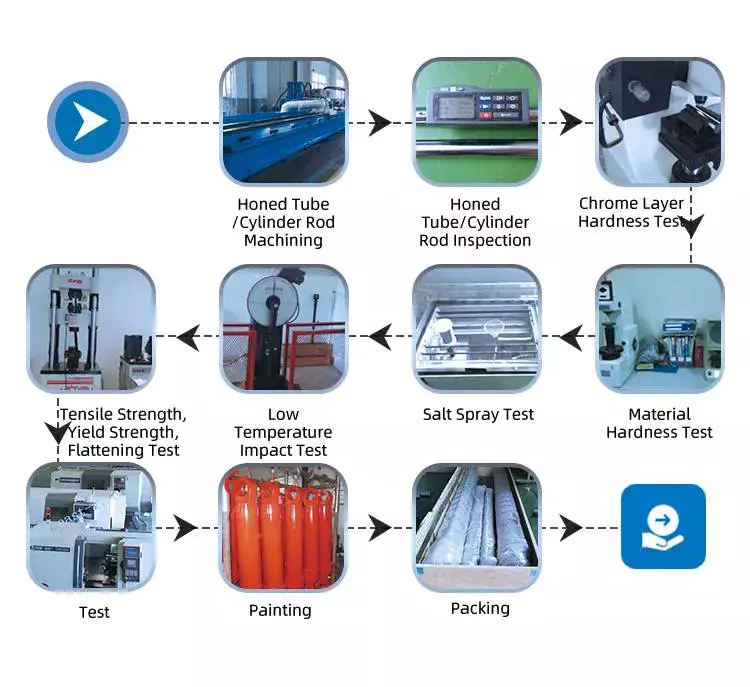
How do hydraulic cylinders handle variations in temperature and harsh operating environments?
Hydraulic cylinders are designed to handle variations in temperature and harsh operating environments by incorporating specific features and materials that ensure their durability, reliability, and performance. The ability of hydraulic cylinders to withstand extreme temperatures, corrosive environments, and other harsh conditions is crucial for their successful operation in a wide range of applications. Here’s a detailed explanation of how hydraulic cylinders handle variations in temperature and harsh operating environments:
1. Temperature Range:
– Hydraulic cylinders are designed to operate within a specified temperature range. The materials used in their construction, such as cylinder barrels, pistons, seals, and lubricants, are selected to withstand the anticipated temperature variations. Specialized seals and O-rings made from materials like nitrile, Viton, or polyurethane are used to maintain their sealing properties over a wide temperature range. Heat-resistant coatings or thermal insulation may be applied to certain components to protect them from high temperatures.
2. Thermal Expansion:
– Hydraulic cylinders are designed to accommodate thermal expansion and contraction that occurs with temperature changes. The materials used in their construction have different coefficients of thermal expansion, allowing the cylinder components to expand or contract at a similar rate. This design consideration prevents excessive stress, binding, or leakage that could result from thermal expansion or contraction.
3. Heat Dissipation:
– In applications where hydraulic cylinders are subjected to high temperatures, heat dissipation mechanisms are employed to prevent overheating. Cooling fins or heat sinks may be incorporated into the cylinder design to increase the surface area for heat transfer. In some cases, external cooling methods such as air or liquid cooling systems can be used to maintain optimal operating temperatures.
4. Corrosion Resistance:
– Hydraulic cylinders used in harsh operating environments are constructed from materials that exhibit excellent corrosion resistance. Stainless steel, chrome-plated steel, or other corrosion-resistant alloys are commonly used for cylinder components exposed to corrosive substances or environments. Additionally, surface treatments such as coatings, plating, or specialized paints can provide an extra layer of protection against corrosion.
5. Sealing Systems:
– Hydraulic cylinders employ sealing systems that are specifically designed to withstand harsh operating environments. The seals used in hydraulic cylinders are selected based on their resistance to temperature extremes, chemicals, abrasion, and other environmental factors. Specialized seal designs, such as wiper seals, rod seals, or high-temperature seals, are utilized to maintain effective sealing and prevent contamination of the hydraulic fluid.
6. Lubrication:
– Proper lubrication is essential for the smooth operation and longevity of hydraulic cylinders, particularly in harsh operating environments. Lubricants are selected based on their ability to withstand high temperatures, resist oxidation, and provide effective lubrication under extreme conditions. Regular maintenance and lubrication practices ensure that the cylinder components continue to operate smoothly and reduce the effects of wear and friction.
7. Robust Construction:
– Hydraulic cylinders designed for harsh operating environments are built with robust construction techniques to withstand the rigors of such conditions. The cylinder barrels, rods, and other components are manufactured to meet strict quality and durability standards. Welded or bolted construction methods are employed to ensure the structural integrity of the cylinders. Reinforcements, such as flanges or tie rods, may be added to enhance the cylinder’s strength and resistance to external forces.
8. Environmental Protection:
– Hydraulic cylinders can be equipped with additional protective features to shield them from harsh operating environments. Protective covers, boots, or bellows can be used to prevent contaminants, debris, or moisture from entering the cylinder and compromising its performance. These protective measures help extend the service life of hydraulic cylinders in demanding conditions.
9. Compliance with Standards:
– Hydraulic cylinders manufactured for specific industries or applications often comply with industry standards or regulations related to operating temperature ranges, environmental conditions, or safety requirements. Compliance with these standards ensures that hydraulic cylinders are designed and tested to meet the specific demands of their intended operating environments.
In summary, hydraulic cylinders are designed to handle variations in temperature and harsh operating environments by incorporating suitable materials, thermal expansion considerations, heat dissipation mechanisms, corrosion-resistant components, specialized sealing systems, proper lubrication, robust construction techniques, protective features, and compliance with industry standards. These design considerations and features enable hydraulic cylinders to operate reliably and effectively in a wide range of demanding applications and environmental conditions.
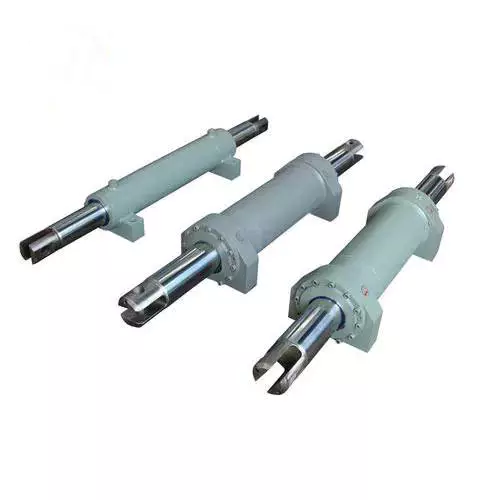
Ensuring Stable Performance of Hydraulic Cylinders Under Fluctuating Loads
Hydraulic cylinders are designed to provide stable performance even under fluctuating loads. They achieve this through various mechanisms and features that allow for efficient load control and compensation. Let’s explore how hydraulic cylinders ensure stable performance under fluctuating loads:
- Piston Design: The piston inside the hydraulic cylinder plays a crucial role in load control. It is typically equipped with seals and rings that prevent leakage of hydraulic fluid and ensure effective transfer of force. The piston design may incorporate features such as stepped or tandem pistons, which provide enhanced load-bearing capabilities and improved stability by distributing the load across multiple surfaces.
- Cylinder Cushioning: Hydraulic cylinders often incorporate cushioning mechanisms to minimize the impact and shock caused by fluctuating loads. Cushioning can be achieved through various methods, such as adjustable cushion screws, hydraulic cushioning valves, or elastomeric cushioning rings. These mechanisms slow down the piston’s movement near the end of the stroke, reducing the impact and preventing sudden stops that could lead to instability.
- Pressure Compensation: Fluctuating loads can result in pressure variations within the hydraulic system. To ensure stable performance, hydraulic cylinders are equipped with pressure compensation mechanisms. These mechanisms maintain a consistent pressure level in the system, regardless of load changes. Pressure compensation can be achieved through the use of pressure relief valves, compensating pistons, or pressure-compensated flow control valves.
- Flow Control: Hydraulic cylinders often incorporate flow control valves to regulate the speed of the cylinder’s movement. By controlling the flow rate of hydraulic fluid, the cylinder’s motion can be adjusted to match the changing load conditions. Flow control valves allow for smooth and controlled movement, preventing abrupt changes that could lead to instability.
- Feedback Systems: To ensure stable performance under fluctuating loads, hydraulic cylinders can be integrated with feedback systems. These systems provide real-time information on the cylinder’s position, velocity, and force. By continuously monitoring these parameters, the hydraulic system can make immediate adjustments to maintain stability and compensate for load fluctuations. Feedback systems can include position sensors, pressure sensors, or load sensors, depending on the specific application.
- Proper Sizing and Selection: Ensuring stable performance under fluctuating loads starts with proper sizing and selection of hydraulic cylinders. It is crucial to choose cylinders with appropriate bore size, rod diameter, and stroke length to match the anticipated load conditions. Oversized or undersized cylinders can lead to instability and reduced performance. Proper sizing also involves considering factors such as the required force, speed, and duty cycle of the application.
In summary, hydraulic cylinders ensure stable performance under fluctuating loads through features such as piston design, cushioning mechanisms, pressure compensation, flow control, feedback systems, and proper sizing and selection. These mechanisms and considerations allow hydraulic cylinders to provide consistent and controlled movement, even in dynamic load conditions, resulting in reliable and stable performance.
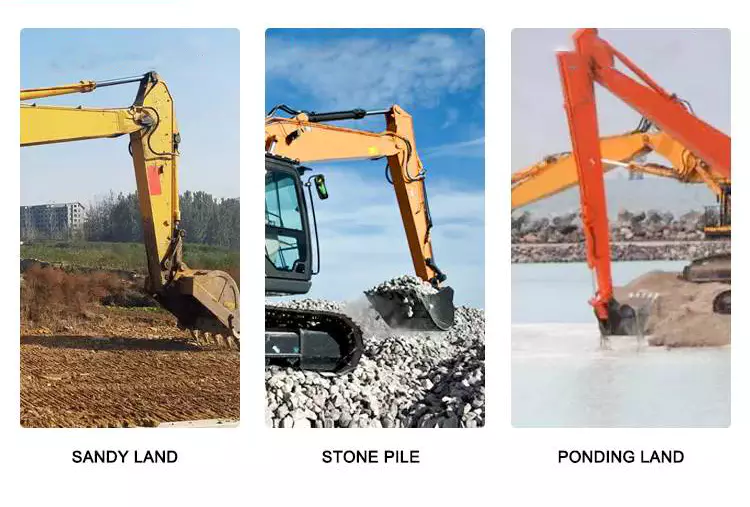
Can you provide real-world examples of machinery that heavily rely on hydraulic cylinders?
Hydraulic cylinders are widely used in various industries and applications due to their ability to provide powerful and precise linear motion. They play a crucial role in enabling the operation of heavy machinery that requires controlled force and movement. Here are some real-world examples of machinery that heavily rely on hydraulic cylinders:
1. Construction Equipment:
– Hydraulic cylinders are extensively used in construction machinery, such as excavators, bulldozers, loaders, and cranes. These machines rely on hydraulic cylinders to perform tasks like lifting heavy loads, extending and retracting booms, tilting buckets, and controlling the movement of various components. Hydraulic cylinders provide the power and precision required to handle the demanding conditions and heavy loads encountered in construction projects.
2. Agricultural Machinery:
– Many agricultural machines, including tractors, combine harvesters, and sprayers, utilize hydraulic cylinders for critical operations. Hydraulic cylinders are used to control the movement of attachments, such as front loaders, backhoes, and plows. They enable functions like lifting and lowering implements, adjusting cutting heights, and controlling the positioning of harvesting equipment. Hydraulic cylinders enhance efficiency and productivity in agricultural operations.
3. Material Handling Equipment:
– Hydraulic cylinders are integral components of material handling equipment, such as forklifts, pallet jacks, and cranes. These machines rely on hydraulic cylinders to lift and lower loads, tilt platforms or forks, and control the movement of lifting mechanisms. Hydraulic cylinders provide the necessary strength and precision to handle heavy loads and ensure safe and efficient material handling operations.
4. Industrial Machinery:
– Various industrial machinery and equipment heavily rely on hydraulic cylinders for critical functions. Examples include hydraulic presses, injection molding machines, metal-forming machines, and hydraulic-powered robots. Hydraulic cylinders enable precise control of force and movement in these applications, allowing for accurate shaping, pressing, and assembly processes.
5. Mining Equipment:
– Hydraulic cylinders are extensively used in mining machinery and equipment. Underground mining machines, such as continuous miners and longwall shearers, utilize hydraulic cylinders for cutting, shearing, and roof support operations. Surface mining equipment, including hydraulic shovels, draglines, and haul trucks, rely on hydraulic cylinders for tasks like bucket movement, boom extension, and vehicle suspension.
6. Automotive Industry:
– The automotive industry extensively utilizes hydraulic cylinders in various applications. Hydraulic cylinders are employed in vehicle suspension systems, power steering systems, convertible tops, and hydraulic brake systems. They enable smooth and controlled movement, precise steering, and efficient braking in automobiles.
7. Aerospace and Aviation:
– Hydraulic cylinders are utilized in aerospace and aviation applications, such as aircraft landing gear systems, wing flaps, and cargo handling equipment. Hydraulic cylinders provide the necessary force and control for extending and retracting landing gear, adjusting wing flaps, and operating cargo doors, ensuring safe and reliable aircraft operations.
8. Marine and Offshore Industry:
– Hydraulic cylinders are essential components in marine and offshore equipment, including ship cranes, winches, and hydraulic-powered anchor systems. They enable lifting, lowering, and positioning of heavy loads, as well as the control of various marine equipment.
These are just a few examples of machinery and industries that heavily rely on hydraulic cylinders. The versatility, power, and precise control offered by hydraulic cylinders make them indispensable in a wide range of applications, where controlled linear motion and force are essential.


editor by CX 2023-11-24