Deskripsi
Crane Luffing Hydraulic Cylinder Technical Specification
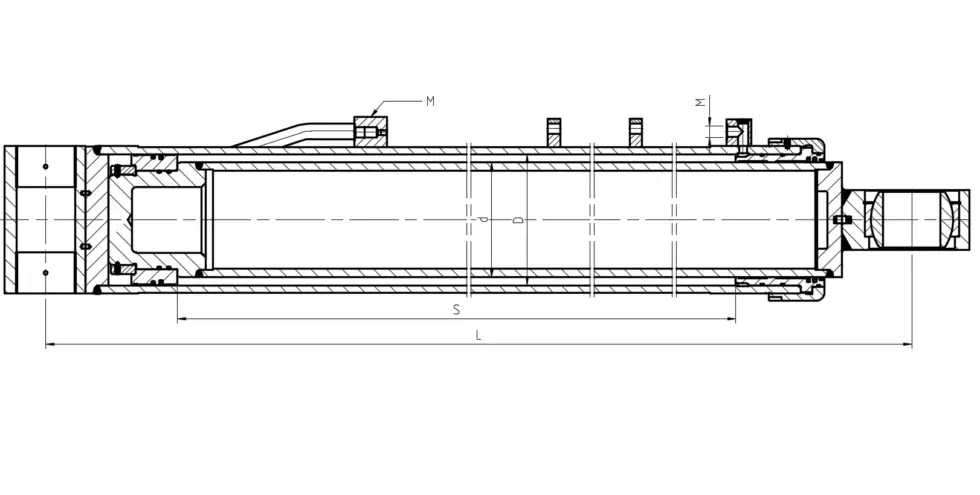
| Cylinder Name | Drawing number | Bore diameter (D) | Rod diameter (d) | Stroke (S) | Installation distance (L) | Working pressure | Interface dimensions (M) | Weight |
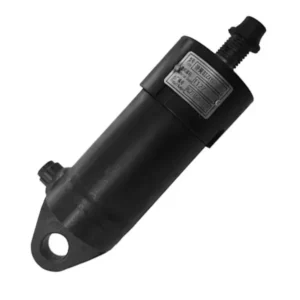
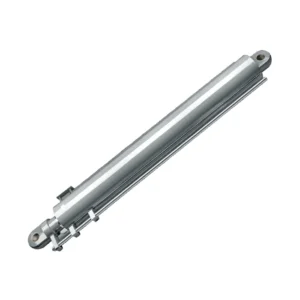
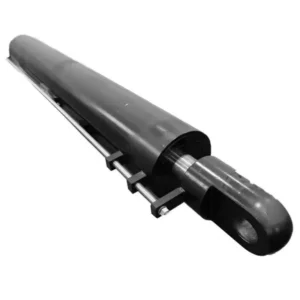
| Luffing hydraulic cylinder | ZXSTC1000S.2.5-00 | 320 | 280 | 4000 | 4750 | 32MPa | 2-M27*2;4-G1/4 | 1522kg |
| Item | Description |
| Product Name | Custom-made hydraulic Cylinder |
| Certificate: | ISO9001, ISO4001, ISO 45003 |
| Production Capacity: | 1200,000 pcs per year |
| Sample Time | Based on actual type |
| Brand | EPT or customer’s logo |
| Service | OEM & ODM |
| Seal brand | Parker, NOK, BUSAK SHAMBAN |
| Delivery Time | Based on order quantity. |
| Business Type | Manufacturer & Exporter |
Structure and Working Principle of Crane Luffing Cylinder
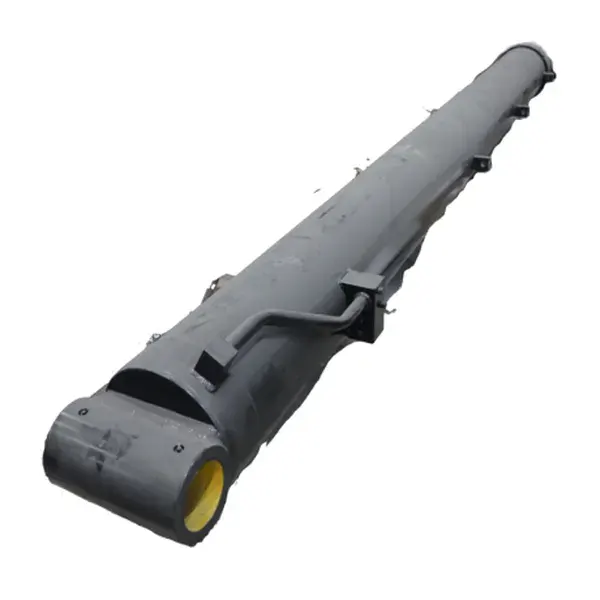
The crane luffing cylinder comprises several key components that work in unison to provide its functionality. These components include the cylinder body, which is constructed from high-strength steel, ensuring durability and resistance to both abrasion and corrosion, capable of withstanding significant pressure. The cylinder piston plays a crucial role in managing the expansion and amplitude of the cylinder, with the quality of its seals being vital for the cylinder’s longevity and safety.
Seals within the cylinder are critical as they maintain the sealing effectiveness of the unit, effectively preventing hydraulic oil leaks. Additionally, the oil pipe serves as the conduit connecting the cylinder to the pump, facilitating the movement of hydraulic oil. The operational principle of the luffing mechanism is to control the luffing motion of the crane by regulating the hydraulic oil flow from the pump to the oil cylinder, allowing the piston to extend and retract as required.
There are two main types of control for the luffing mechanism: manual and electric. Manual control necessitates the operator’s physical engagement through the handle, while electric control is managed by actuating a solenoid valve via electrical signals, providing convenience and automation.
Crane Luffing Cylinder Types and Application Scenarios
There are various types of luffing cylinders available for different applications. The double-acting piston cylinder is the most commonly used type, featuring two oil ports. This design allows oil to enter through one port while the other returns the oil, enabling the piston to perform a reciprocating motion powered by pressurized oil. The single-acting piston cylinder, on the other hand, has a single oil port where pressure oil acts on one side of the cylinder, resulting in motion in that direction, with the return stroke relying on gravity.
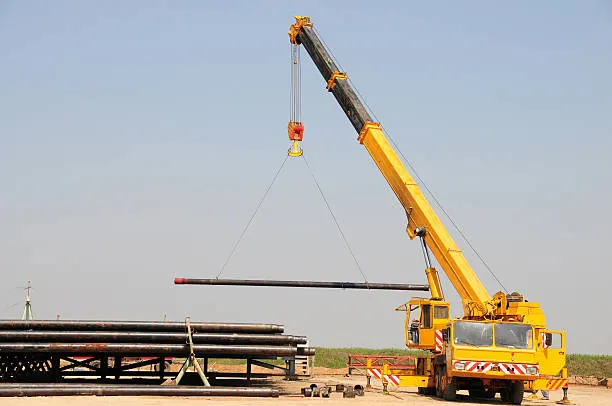
Another type, the double-acting two-stage telescopic cylinder, has a more complex structure and is typically used in larger cranes. The application scenarios for these cylinders vary widely. Small wheeled cranes often utilize single-cylinder luffing cylinders for their ease of adjustment and maintenance, which provide adequate thrust for light operations. In contrast, medium and large wheeled cranes employ double-cylinder luffing cylinders, which can deliver greater thrust and enhance the lateral stability of the lifting arm, making them suitable for more demanding lifting tasks.
Crane Hydraulic Cylinders Manufacturer
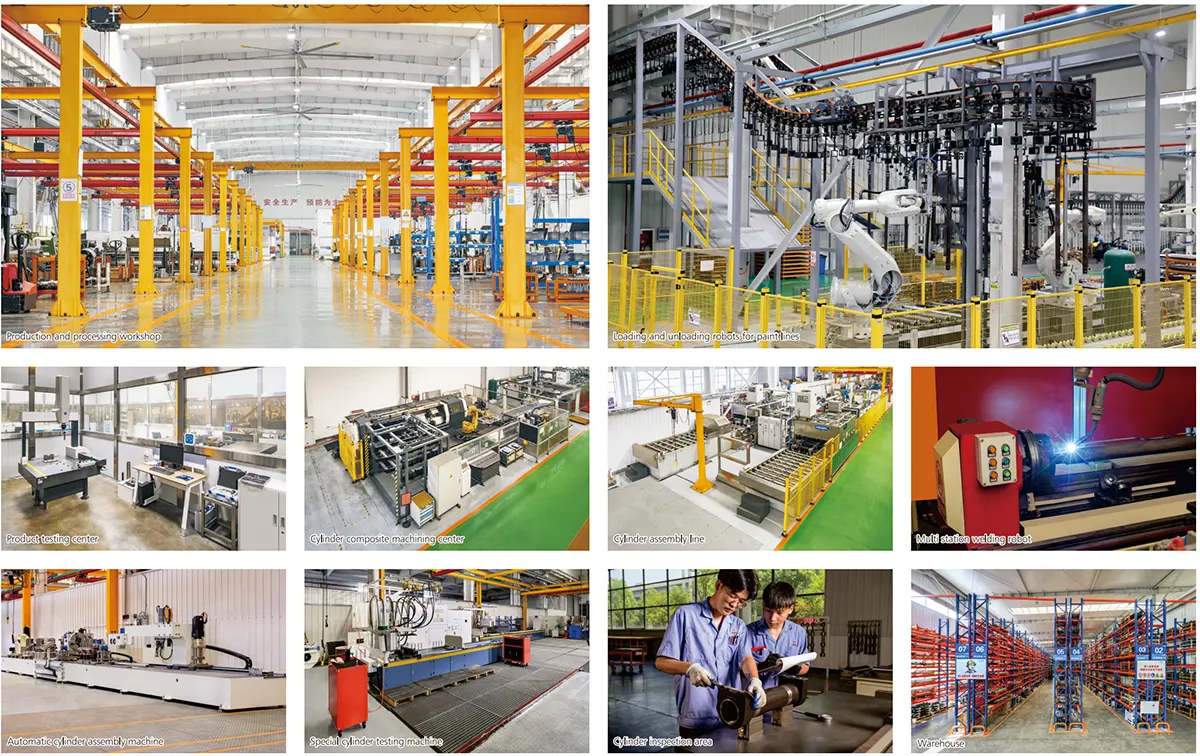
Ever-power is renowned for its exceptional manufacturing capabilities in producing high-quality hydraulic systems. Our reputation is built on a steadfast commitment to innovation and outstanding customer service, ensuring that we meet our clients’ unique requirements with precision and expertise. We specialize in the manufacture of Crane Luffing Hydraulic Cylinders, designed to excel in performance and reliability in challenging applications.
Beyond our standard products, we offer customized hydraulic cylinders tailored to the specific needs of our clients. Our capacity allows us to produce non-standard cylinders with a diameter of D360MM and a stroke length of L6000MM, catering to a diverse array of applications. We encourage clients to bring their drawings and samples to facilitate the bespoke manufacturing of cylinders, ensuring solutions that align perfectly with their operational demands.