Product Description
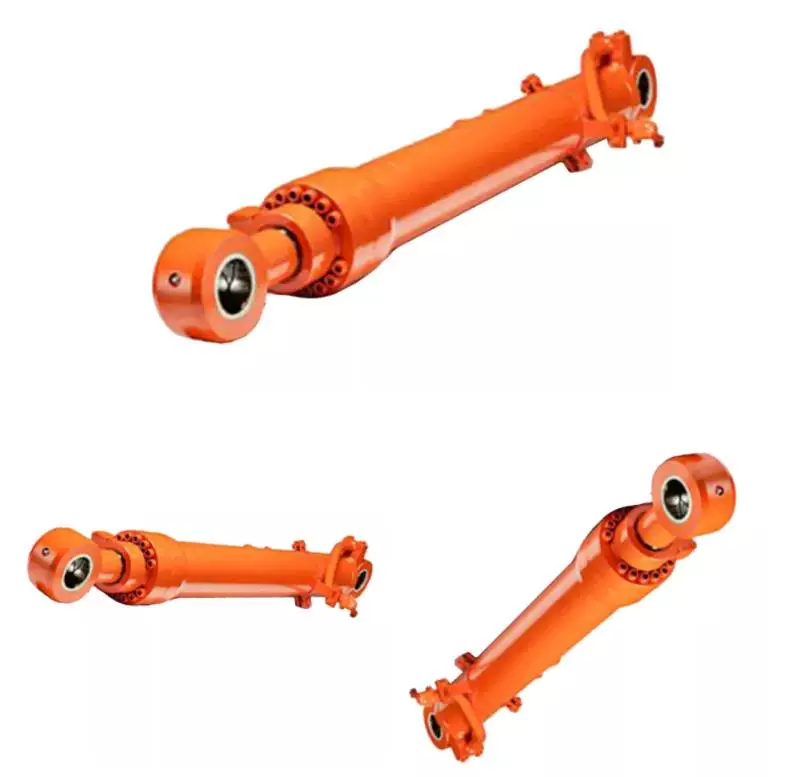
Product Advantage:
1. Safer Junfu hydraulic cylinder adopts excellent structural design and new material application, which can withstand the harshest working conditions and continue to work stably without disconnection, ensuring the safety of drivers and vehicles, and creating the most valuable safety for users.
2. faster unloading
Junfu series oil cylinder adopts excellent structural design to improve the unloading speed of the oil cylinder!
3.higher lift frequency
junfu series oil cylinders are suitable for all-weather short barge and high-frequency operations, with stable performance, extremely low failure rate, increasing the number of transfers and reducing downtime!
4. Greater adaptability to the environment
junfu series oil cylinder adopts innovative sealing technology and new material application, which can adapt to the temperature range of -40~110ºC, and can achieve excellent performance in high temperature and low temperature environment operation!
5. lighter
Compared with other products of the same series, CHINAMFG series cylinders reduce the dead weight by 15%~20%, and increase the lifting force by 10%~15%!
6. Greater lifting force
Compared with other products of the same series, the lifting force of CHINAMFG series cylinders is increased by 10%~15%. More lift, more load, more profit! Lighter dead weight, greater lifting force, more lightness!
Enterprise Certificate
Our partner
Our Service
FAQ:
Q1: How about the quality?
Our cylinders can replace HYVA cylinder well, with same technical details and mounting sizes
Q2: What’s your cylinder’s advantages ?
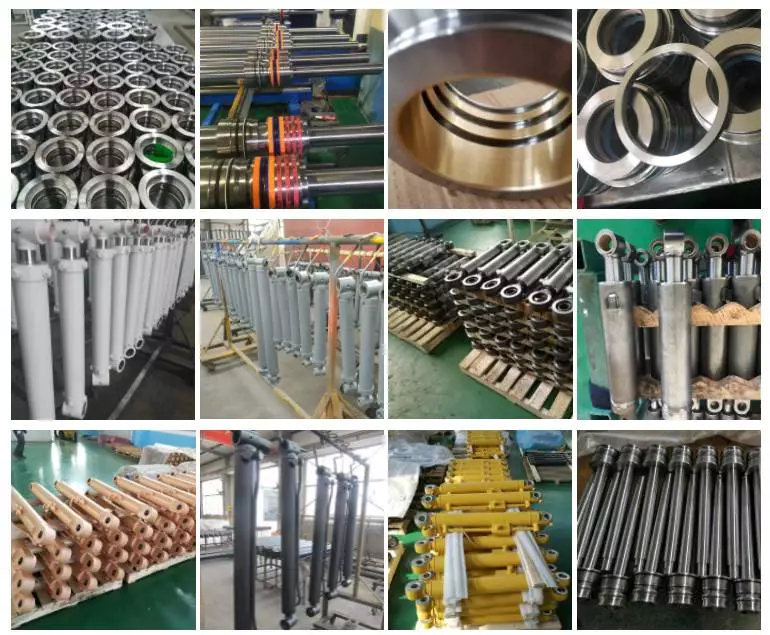
The cylinders are manufactured by advanced equipments and made under strictly quality control processing.
The steel is tempered and all raw materials are good quality from world famous companies.
Competitive price!
Q3: When your company be established ?
Our company be established in 2002, professional manufacturer of hydraulic cylinders more than 20 years.
We had passed IATF 16949:2016 Quality control system, ISO9001, CE.
Q4: How about the delivery time ?
15 days approximately.
Q5: How about the cylinder’s quality gurantee ?
One year.
| Certification: | GS, CE, ISO9001, SGS |
|---|---|
| Pressure: | High Pressure |
| Work Temperature: | Normal Temperature |
| Acting Way: | Single Acting |
| Working Method: | Straight Trip |
| Adjusted Form: | Switching Type |
| Samples: |
US$ 500/Piece
1 Piece(Min.Order) | |
|---|
| Customization: |
Available
|
|
|---|
How do hydraulic cylinders enhance the performance of construction and mining equipment?
Hydraulic cylinders play a vital role in enhancing the performance of construction and mining equipment by providing powerful and precise linear motion. These industries require heavy-duty machinery that can withstand demanding conditions and efficiently perform tasks such as lifting, pushing, and digging. Here’s a detailed explanation of how hydraulic cylinders enhance the performance of construction and mining equipment:
1. Power and Force:
– Hydraulic cylinders are capable of generating substantial force, allowing construction and mining equipment to handle heavy loads and perform challenging tasks. The hydraulic system applies pressure to the fluid, which is transmitted to the hydraulic cylinder, resulting in the movement of the piston rod. The larger the diameter of the cylinder, the greater the force that can be generated. Hydraulic cylinders enable the equipment to exert significant force, making it possible to lift and move heavy materials, excavate soil and rock, and perform other demanding operations.
2. Precise Control:
– Hydraulic cylinders offer precise control over the movement of construction and mining equipment. By regulating the flow of hydraulic fluid into and out of the cylinder through control valves, operators can precisely control the speed, position, and force exerted by the hydraulic cylinder. This level of control allows for accurate and controlled movements, enabling operators to perform tasks with precision and efficiency. Whether it’s lifting a specific load, positioning an attachment, or maneuvering in tight spaces, hydraulic cylinders provide the necessary control for optimal equipment performance.
3. Adaptability:
– Hydraulic cylinders are highly adaptable to various construction and mining equipment. They can be designed and manufactured in different sizes, stroke lengths, and configurations to suit specific requirements. Hydraulic cylinders can be integrated into different types of equipment, such as excavators, loaders, bulldozers, and drilling rigs. Their adaptability allows for the customization of equipment to meet the needs of different applications and operating conditions, enhancing overall performance.
4. Durability and Reliability:
– Construction and mining environments are known for their harsh conditions, including extreme temperatures, vibrations, and exposure to dust, dirt, and debris. Hydraulic cylinders are designed to withstand these challenging conditions and provide long-lasting performance. They are constructed using robust materials, such as high-strength steel, and equipped with seals and components that can endure heavy loads, impacts, and contaminants. The durability and reliability of hydraulic cylinders ensure that construction and mining equipment can operate continuously and withstand the demanding nature of these industries.
5. Safety:
– Hydraulic cylinders contribute to the safety of construction and mining equipment operations. Their precise control allows operators to perform tasks with accuracy, minimizing the risk of accidents and damage to the equipment or surrounding structures. Hydraulic cylinders also enable the implementation of safety features, such as overload protection systems and emergency stop mechanisms, ensuring the safe operation of the equipment. The reliable and controlled movements provided by hydraulic cylinders enhance overall safety in construction and mining operations.
6. Increased Productivity:
– By providing the necessary power, precise control, and adaptability, hydraulic cylinders contribute to increased productivity in construction and mining applications. Construction and mining equipment equipped with hydraulic cylinders can perform tasks more efficiently and effectively, reducing the time and effort required to complete projects. The ability to handle heavy loads, control movements precisely, and adapt to various tasks improves the overall productivity of the equipment, leading to cost savings and improved project timelines.
In summary, hydraulic cylinders enhance the performance of construction and mining equipment by providing power, precise control, adaptability, durability, and safety. They enable these machines to handle heavy loads, perform tasks with accuracy, withstand harsh conditions, and increase productivity. Hydraulic cylinders are integral components that contribute to the efficiency and effectiveness of construction and mining operations.
Customization of Hydraulic Cylinders for Marine and Offshore Applications
Yes, hydraulic cylinders can be customized for use in marine and offshore applications. These environments present unique challenges, such as exposure to corrosive saltwater, high humidity, and extreme operating conditions. Customization allows hydraulic cylinders to meet the specific requirements and withstand the harsh conditions encountered in marine and offshore settings. Let’s delve into the details of how hydraulic cylinders can be customized for marine and offshore applications:
- Corrosion Resistance: Marine and offshore environments expose hydraulic cylinders to corrosive elements, such as saltwater. To mitigate corrosion, hydraulic cylinders can be customized with materials and surface treatments that provide enhanced corrosion resistance. For example, cylinders can be constructed from stainless steel or coated with protective layers like chrome plating or specialized coatings to withstand the corrosive effects of saltwater.
- Sealing and Environmental Protection: Hydraulic cylinders for marine and offshore applications require robust sealing systems to prevent water ingress and protect internal components. Customized sealing solutions, such as high-quality seals, wipers, and gaskets, can be employed to ensure effective sealing and resistance to water, debris, and contaminants. Additionally, hydraulic cylinders can be designed with protective features like bellows or boots to shield vulnerable areas from environmental elements.
- High-Pressure and Shock Resistance: Marine and offshore operations may involve high-pressure hydraulic systems and encounters with dynamic loads or shocks. Customized hydraulic cylinders can be engineered to withstand these demanding conditions. They can be designed with reinforced construction, thicker walls, and specialized components to handle high-pressure applications and absorb shock loads, ensuring reliable performance and durability.
- Temperature and Fluid Compatibility: Marine and offshore applications can expose hydraulic cylinders to extreme temperature variations and specific fluid requirements. Customization allows the selection of materials, seals, and fluids compatible with the anticipated temperature range and the specific fluid being used. Hydraulic cylinders can be tailored to maintain optimal performance and reliability under challenging temperature conditions and with the designated fluid type.
- Mounting and Integration: Customized hydraulic cylinders can be designed to facilitate easy integration and mounting within marine and offshore machinery. Mounting options can be tailored to suit the available space and structural requirements of the equipment. Additionally, customized hydraulic cylinder designs can incorporate features for easy maintenance, accessibility, and connection to the hydraulic system, ensuring convenient installation and serviceability in marine and offshore applications.
In summary, hydraulic cylinders can be customized to meet the unique demands of marine and offshore applications. Customization enables the integration of corrosion-resistant materials, robust sealing systems, high-pressure and shock-resistant designs, temperature and fluid compatibility, as well as optimized mounting and integration features. By tailoring hydraulic cylinders to the specific requirements of marine and offshore environments, reliable performance, extended service life, and efficient operation can be achieved in these challenging operating conditions.

What safety precautions should be followed when working with hydraulic cylinders?
Working with hydraulic cylinders requires strict adherence to safety precautions to prevent accidents, injuries, and damage to equipment or property. Hydraulic systems operate under high pressures and involve moving parts, which can pose serious hazards if not handled properly. Here’s a detailed explanation of the safety precautions that should be followed when working with hydraulic cylinders:
1. Training and Knowledge:
– Ensure that personnel working with hydraulic cylinders have received adequate training and possess a thorough understanding of hydraulic system operation, maintenance, and safety protocols. Proper training should cover topics such as hydraulic principles, pressure ratings, safe work practices, and emergency procedures. Only trained and authorized personnel should be allowed to handle hydraulic cylinders.
2. Wear Personal Protective Equipment (PPE):
– Always wear appropriate personal protective equipment when working with hydraulic cylinders. This may include safety glasses, gloves, protective clothing, and steel-toed boots. PPE helps protect against potential hazards, such as hydraulic fluid leaks, flying debris, or accidental contact with moving parts.
3. Hydraulic System Inspection:
– Before working with hydraulic cylinders, inspect the entire hydraulic system for any signs of damage, leaks, or loose connections. Check hydraulic hoses, fittings, valves, and cylinders for integrity and secure fastening. If any issues are detected, the system should be repaired or serviced before operation.
4. Relieve Pressure:
– Before performing any maintenance or disassembly on a hydraulic cylinder, it is crucial to relieve the pressure in the system. Follow the manufacturer’s instructions to properly release pressure and ensure that the hydraulic cylinder is depressurized before starting any work. Failure to do so can result in sudden and uncontrolled movement of the cylinder or hydraulic lines, leading to serious injuries.
5. Lockout/Tagout Procedures:
– Implement lockout/tagout procedures to prevent accidental energization of the hydraulic system while maintenance or repair work is being conducted. Lockout/tagout involves isolating the energy source, such as shutting off the hydraulic pump and locking or tagging the controls to prevent unauthorized operation. This procedure ensures that the hydraulic cylinder remains in a safe, non-operational state during maintenance activities.
6. Use Proper Lifting Techniques:
– When working with heavy hydraulic cylinders or components, use proper lifting techniques and equipment to avoid strain or injury. Hydraulic cylinders can be heavy and awkward to handle, so ensure that lifting equipment, such as cranes or hoists, is properly rated and used correctly. Follow safe lifting practices, including securing the load and maintaining a stable lifting posture.
7. Hydraulic Fluid Handling:
– Handle hydraulic fluid with care and follow proper procedures for fluid filling, transfer, and disposal. Avoid contact with the skin or eyes, as hydraulic fluid may be hazardous. Use appropriate containers and equipment to prevent spills or leaks. If any hydraulic fluid comes into contact with the skin or eyes, rinse thoroughly with water and seek medical attention if necessary.
8. Regular Maintenance:
– Perform regular maintenance and inspections on hydraulic cylinders to ensure their safe and reliable operation. This includes checking for leaks, inspecting seals, monitoring fluid levels, and conducting periodic servicing as recommended by the manufacturer. Proper maintenance helps prevent unexpected failures and ensures the continued safe use of hydraulic cylinders.
9. Follow Manufacturer Guidelines:
– Always follow the manufacturer’s guidelines, instructions, and recommendations for the specific hydraulic cylinders and equipment being used. Manufacturers provide important safety information, maintenance schedules, and operational guidelines that should be strictly adhered to for safe and optimal performance.
10. Emergency Preparedness:
– Be prepared for potential emergencies by having appropriate safety equipment, such as fire extinguishers, first aid kits, and emergency eyewash stations, readily available. Establish clear communication channels and emergency response procedures to promptly address any accidents, leaks, or injuries that may occur during hydraulic cylinder operations.
By following these safety precautions, individuals working with hydraulic cylinders can minimize the risk of accidents, injuries, and property damage. It is essential to prioritize safety, maintain awareness of potential hazards, and ensure compliance with relevant safety regulations and industry standards.


editor by CX 2023-11-20