
Product Description
Product Description
Quick details
Gland —-High grade ductile iron
Tube —–Cold drawn honed tubling
Piston—–High grade ductile iron
Piston rod—-Chromed C45
Piston seal—-Urethane seal
End cap—-Casting seel
Mounting style—-Pins and clips included
Gland seals—-Polyurethane U-cup
Rod wiper—-Urethane snap in
Paint color—-Semi-gloss black, grey, red
1.Light-weight,high strength
Base on the nature of construction work,the hydraulic cylinders need to suit for high strength,high
using frequency,high fatigability.to promise the sability and reliablity of application.
2.the seal system
select the excellent seal kits from japan and germany.adopt the advanced physical design,make
sure the hydraulic cylinder get the best piston rod oil film
3.cylinder body
adopt the good-quality alloy honed tube,though cold-drawing and rolling,to reach an excellent
toughness and surface hardness.improve the wear-resistance.
4.piston rod
middle frequency induction hardening and tempering,chrome plated on rod surface to improve the
anti-rust ,wear-resistance and anti-scratch property.
5.safety/cushioning fuction
The inside of cylinder set up an cushioning device in the end of stroke,it can absorb the juge inpact.
Technical Specification size.
|
cylinder diameter (mm) |
piston rod diameter (mm) |
max stroke (mm) |
||
|
40 |
20 |
22 |
25 |
500 |
|
50 |
25 |
28 |
32 |
600 |
|
63 |
32 |
35 |
45 |
800 |
|
80 |
40 |
45 |
55 |
2000 |
|
90 |
45 |
50 |
63 |
2000 |
|
100 |
50 |
55 |
70 |
4000 |
|
110 |
55 |
63 |
80 |
4000 |
|
125 |
63 |
70 |
90 |
4000 |
|
140 |
70 |
80 |
100 |
4000 |
|
150 |
75 |
85 |
105 |
4000 |
|
160 |
80 |
90 |
110 |
4000 |
|
180 |
90 |
100 |
125 |
4000 |
|
200 |
100 |
110 |
140 |
4000 |
|
220 |
110 |
125 |
160 |
4000 |
|
250 |
125 |
140 |
180 |
4000 |
Cylinder tube machining
Piston
Application boom cylider, stick cylinder, Dozer cylinder.
| Excavator Type | Name | Stroke (mm) | Installation Diameter(mm) | Cylinder Diameter(mm) | Rod Diameter(mm) |
| 5.5T | Boom Cylinder | 710 | 1120 | 115 | 65 |
| Stick Cylinder | 815 | 1210 | 90 | 55 | |
| Bucket Cylinder | 605 | 945 | 85 | 55 | |
| Dozer Cylinder | 150 | 500 | 110 | 60 | |
| 6.5T | Boom Cylinder | 885 | 1311 | 110 | 65 |
| Stick Cylinder | 900 | 1300 | 90 | 60 | |
| Bucket Cylinder | 730 | 1120 | 80 | 50 | |
| Dozer Cylinder | 145 | 565 | 130 | 70 | |
| 11.5T | Left Boom Cylinder | 980 | 1480 | 100 | 70 |
| Right Boom Cylinder | 980 | 1480 | 100 | 70 | |
| Stick Cylinder | 1571 | 1530 | 115 | 80 | |
| Bucket Cylinder | 885 | 1375 | 95 | 65 | |
| 18.5T | Left Boom Cylinder | 1195 | 1790 | 120 | 85 |
| Right Boom Cylinder | 1195 | 1790 | 120 | 85 | |
| Stick Cylinder | 1405 | 2000 | 130 | 95 | |
| Bucket Cylinder | 1110 | 1630 | 110 | 80 | |
| 20T | Boom Cylinder | 1285 | 1870 | 120 | 85 |
| Stick Cylinder | 1490 | 2075 | 135 | 95 | |
| Bucket Cylinder | 1120 | 1680 | 115 | 80 | |
| 23T | Boom Cylinder Assembly | 1295 | 1870 | 130 | 90 |
| Stick Cylinder Assembly | 1675 | 2225 | 140 | 100 | |
| Bucket Cylinder Assembly | 1156 | 1744 | 130 | 90 | |
| 26T | Boom Cylinder Assembly | 1420 | 1980 | 139 | 100 |
| Stick Cylinder Assembly | 1748 | 2348 | 149 | 110 | |
| Bucket Cylinder Assembly | 1130 | 1753 | 134 | 100 | |
| 40T | Boom Cylinder Assembly | 1495 | 2135 | 160 | 110 |
| Stick Cylinder Assembly | 1790 | 2480 | 170 | 110 | |
| Bucket Cylinder Assembly | 1285 | 1990 | 160 | 110 |
Q: Are you trading company or manufacturer ?
A: We are factory.
Q: How long is your delivery time?
A: Generally it is 5-10 days if the goods are in stock. or it is 15-20 days if the goods are not in stock, it is according to quantity.
Q: Do you provide samples ? is it free or extra ?
A: Yes, we could offer the sample for free charge but do not pay the cost of freight.
Q: What is your terms of payment ?
A: Payment 30%TT in advance. 70% T/T before shippment
| Certification: | GS, RoHS, CE, ISO9001 |
|---|---|
| Pressure: | High Pressure |
| Work Temperature: | Normal Temperature |
| Acting Way: | Single Acting |
| Working Method: | Straight Trip |
| Adjusted Form: | Switching Type |
| Samples: |
US$ 120/Piece
1 Piece(Min.Order) | |
|---|
| Customization: |
Available
|
|
|---|
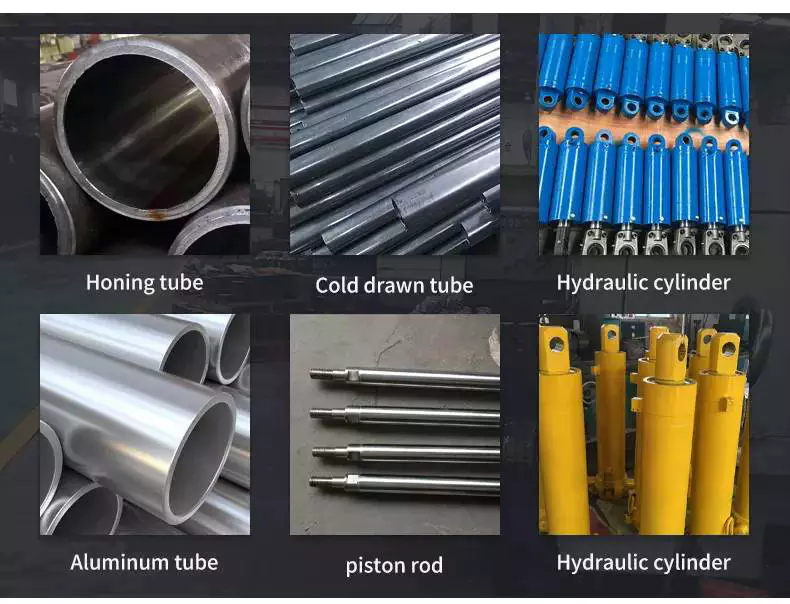
How do hydraulic cylinders contribute to the overall cost-effectiveness of industrial processes?
Hydraulic cylinders play a crucial role in enhancing the overall cost-effectiveness of industrial processes. They offer several advantages and contribute to increased productivity, improved efficiency, reduced maintenance costs, and enhanced operational performance. Here’s a detailed explanation of how hydraulic cylinders contribute to the cost-effectiveness of industrial processes:
1. High Power Density:
– Hydraulic cylinders provide a high power-to-weight ratio, allowing them to generate substantial force in a compact design. This power density enables the use of smaller and lighter equipment, reducing material and manufacturing costs, and increasing the efficiency of industrial processes.
2. Precise Force and Position Control:
– Hydraulic cylinders offer precise force and position control, allowing for accurate movement and positioning of machinery or workpieces. This level of control enhances process efficiency, reduces material waste, and improves overall product quality. Precise force control also minimizes the risk of equipment damage, further reducing maintenance and repair costs.
3. High Load Handling Capacity:
– Hydraulic cylinders are known for their ability to handle high loads. They can exert significant force, making them suitable for heavy-duty industrial applications. By efficiently handling heavy loads, hydraulic cylinders contribute to increased productivity and throughput, reducing the need for additional equipment and streamlining industrial processes.
4. Flexibility and Versatility:
– Hydraulic cylinders offer a high degree of flexibility and versatility in industrial processes. They can be easily integrated into various types of machinery and equipment, allowing for diverse applications. This adaptability reduces the need for specialized equipment, resulting in cost savings and increased operational efficiency.
5. Energy Efficiency:
– Hydraulic systems, including hydraulic cylinders, can be designed to operate with high energy efficiency. By utilizing efficient hydraulic circuit designs, advanced control systems, and energy recovery mechanisms, hydraulic cylinders minimize energy waste and reduce operational costs. Energy-efficient hydraulic systems also contribute to a more sustainable and environmentally friendly industrial operation.
6. Durability and Longevity:
– Hydraulic cylinders are built to withstand demanding industrial environments and heavy usage. They are constructed with robust materials and undergo stringent quality control measures to ensure durability and longevity. Their ability to withstand harsh conditions and repetitive motion reduces the need for frequent replacements, minimizing downtime and maintenance costs.
7. Reduced Maintenance Requirements:
– Hydraulic cylinders require relatively low maintenance compared to other types of actuators. Properly designed hydraulic systems with efficient filtration and contamination control mechanisms can prevent damage to the cylinders and extend their service life. Reduced maintenance requirements result in lower downtime, decreased labor costs, and improved cost-effectiveness of industrial processes.
8. System Integration and Automation:
– Hydraulic cylinders can be seamlessly integrated into automated industrial processes. By incorporating hydraulic cylinders into automated systems, tasks can be performed with precision and repeatability, reducing human error and optimizing efficiency. Automation also allows for continuous operation, increasing productivity and overall cost-effectiveness.
9. Cost-Effective Replacement:
– In situations where hydraulic cylinders require replacement or repair, the cost-effectiveness of the process is still maintained. Hydraulic cylinders are typically modular in design, allowing for easy replacement of individual components or complete units. This modularity reduces downtime and associated costs, as only the affected components need to be replaced, rather than the entire system.
In summary, hydraulic cylinders contribute to the overall cost-effectiveness of industrial processes through their high power density, precise control capabilities, high load handling capacity, flexibility, energy efficiency, durability, reduced maintenance requirements, system integration, and cost-effective replacement options. Their ability to enhance productivity, efficiency, and operational performance while minimizing maintenance and downtime costs makes hydraulic cylinders a valuable component in various industrial applications.
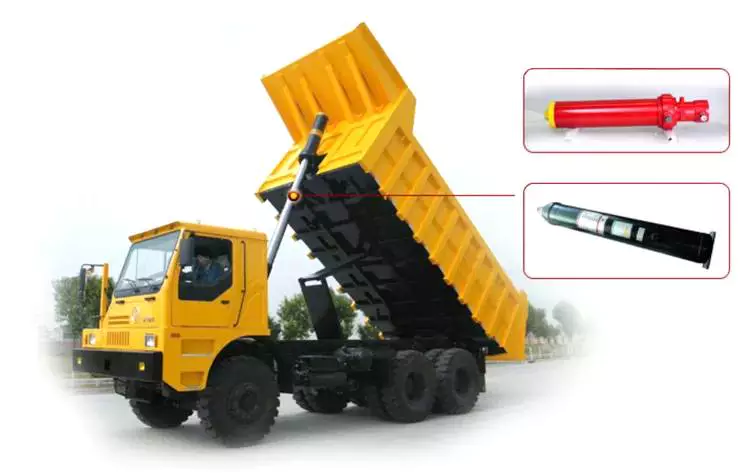
Advancements in Hydraulic Cylinder Technology Improving Corrosion Resistance
Advancements in hydraulic cylinder technology have led to significant improvements in corrosion resistance. Corrosion is a major concern in hydraulic systems, especially in environments where cylinders are exposed to moisture, chemicals, or corrosive agents. These advancements aim to enhance the durability and longevity of hydraulic cylinders. Let’s explore some of the key advancements in hydraulic cylinder technology that have improved corrosion resistance:
- Corrosion-Resistant Materials: The use of corrosion-resistant materials is a fundamental advancement in hydraulic cylinder technology. Stainless steel, for example, offers excellent resistance to corrosion, making it a popular choice in marine, offshore, and other corrosive environments. Additionally, advancements in metallurgy have led to the development of specialized alloys and coatings that provide enhanced corrosion resistance, extending the lifespan of hydraulic cylinders.
- Surface Treatments and Coatings: Various surface treatments and coatings have been developed to protect hydraulic cylinders from corrosion. These treatments can include electroplating, galvanizing, powder coating, and specialized corrosion-resistant coatings. These coatings create a barrier between the cylinder surface and corrosive elements, preventing direct contact and inhibiting the onset of corrosion. The selection of appropriate coatings depends on the specific application and environmental conditions.
- Sealing Technology: Effective sealing systems are crucial in preventing water, moisture, and contaminants from entering the cylinder and causing corrosion. Advancements in sealing technology have led to the development of high-quality seals and advanced sealing designs that offer superior resistance to corrosion. These seals are typically made from materials specifically engineered to withstand corrosive environments, ensuring long-term sealing performance and minimizing the risk of corrosion-related issues.
- Improved Surface Finishes: The surface finish of hydraulic cylinders plays a role in their resistance to corrosion. Advancements in machining and polishing techniques have allowed for smoother and more uniform surface finishes. Smoother surfaces reduce the likelihood of corrosion initiation and make it easier to clean and maintain hydraulic cylinders. Additionally, specialized finishes, such as passivation or chemical treatments, can be applied to further enhance corrosion resistance.
- Environmental Protection Features: Hydraulic cylinders can be equipped with additional features to protect against corrosion. These features may include protective boots, bellows, or shields that guard vulnerable areas from exposure to corrosive agents. By incorporating these protective elements into the design, hydraulic cylinders can withstand harsh environments and minimize the risk of corrosion-related damage.
In summary, advancements in hydraulic cylinder technology have significantly improved corrosion resistance. The use of corrosion-resistant materials, advanced surface treatments and coatings, innovative sealing technology, improved surface finishes, and the incorporation of environmental protection features have all contributed to enhanced durability and longevity of hydraulic cylinders in corrosive environments. These advancements ensure reliable performance and reduce the maintenance and replacement costs associated with corrosion-related issues.
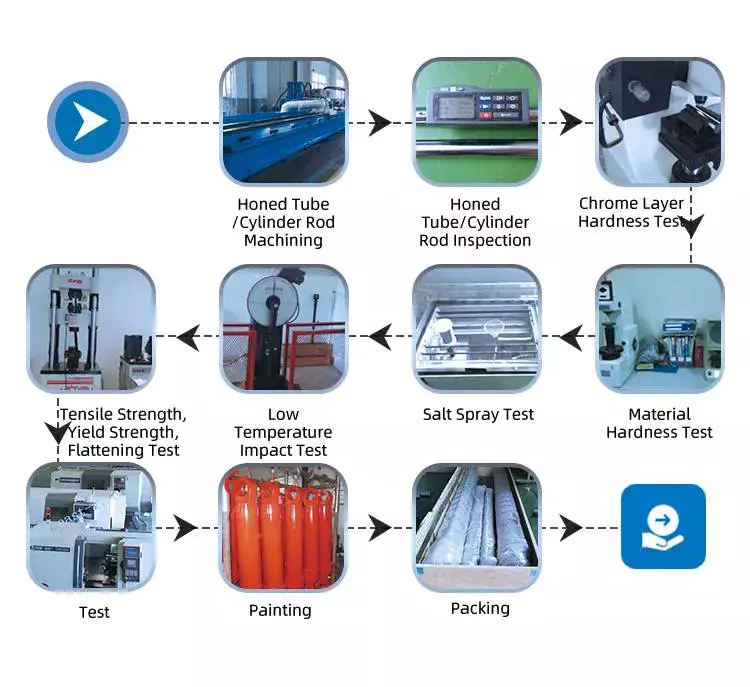
How do manufacturers ensure the quality and compatibility of hydraulic cylinders?
Manufacturers employ various measures to ensure the quality and compatibility of hydraulic cylinders, ensuring that they meet industry standards, performance requirements, and the specific needs of their customers. Here’s a detailed explanation of the methods and practices used by manufacturers to ensure the quality and compatibility of hydraulic cylinders:
1. Design and Engineering:
– Manufacturers employ skilled engineers and designers who have expertise in hydraulic systems and cylinder design. They use advanced design software and tools to create hydraulic cylinders that meet the desired specifications and performance requirements. Through careful analysis and simulation, manufacturers can ensure that the cylinders are designed to function optimally and provide the necessary force, stroke length, and reliability.
2. Material Selection:
– High-quality materials are crucial for the durability, performance, and compatibility of hydraulic cylinders. Manufacturers carefully select materials such as steel or other alloys based on their strength, corrosion resistance, and suitability for hydraulic applications. They source materials from reputable suppliers and perform quality checks to ensure that the materials meet the required standards and specifications.
3. Quality Control:
– Manufacturers implement robust quality control processes throughout the production of hydraulic cylinders. This includes rigorous inspections and tests at various stages of manufacturing, from raw material inspection to final assembly. Quality control personnel perform dimensional checks, surface finish inspections, and functional tests to verify that the cylinders meet the specified tolerances, performance criteria, and compatibility requirements.
4. Testing and Validation:
– Hydraulic cylinders undergo testing and validation procedures to ensure their performance, reliability, and compatibility. Manufacturers conduct various tests, such as pressure testing, leakage testing, load testing, and endurance testing. These tests simulate real-world operating conditions and verify that the cylinders can withstand the expected loads, pressures, and environmental factors. Additionally, manufacturers may perform compatibility testing to ensure that the cylinders can integrate seamlessly with other hydraulic system components.
5. Compliance with Standards:
– Manufacturers adhere to industry standards and regulations to ensure the quality and compatibility of hydraulic cylinders. They follow standards such as ISO 9001 for quality management systems and ISO 6020/2 or ISO 6022 for hydraulic cylinders. Compliance with these standards ensures that the manufacturing processes, quality control measures, and product performance meet internationally recognized benchmarks.
6. Certification and Accreditation:
– Manufacturers may obtain certifications and accreditations from recognized organizations to demonstrate their commitment to quality and compatibility. Certifications such as ISO certifications or third-party certifications provide assurance to customers that the hydraulic cylinders have undergone rigorous evaluations and meet specific quality and compatibility standards.
7. Customer Collaboration:
– Manufacturers actively engage with customers to understand their specific requirements and ensure compatibility. They work closely with customers to gather application-specific details, such as operating conditions, load requirements, and environmental factors. This collaborative approach allows manufacturers to customize hydraulic cylinders and provide solutions that are perfectly matched to the customer’s needs, ensuring compatibility and optimal performance.
8. Continuous Improvement:
– Manufacturers are committed to continuous improvement in their processes and products. They invest in research and development to incorporate the latest technologies, materials, and manufacturing techniques. By staying updated with industry advancements, manufacturers can enhance the quality, performance, and compatibility of their hydraulic cylinders over time.
By implementing effective design and engineering practices, selecting high-quality materials, conducting rigorous quality control, testing and validation procedures, complying with industry standards, obtaining certifications, collaborating with customers, and embracing continuous improvement, manufacturers ensure the quality and compatibility of hydraulic cylinders. These measures help to deliver reliable, high-performance cylinders that meet the diverse needs of industries and applications.

editor by CX 2023-12-05