Description
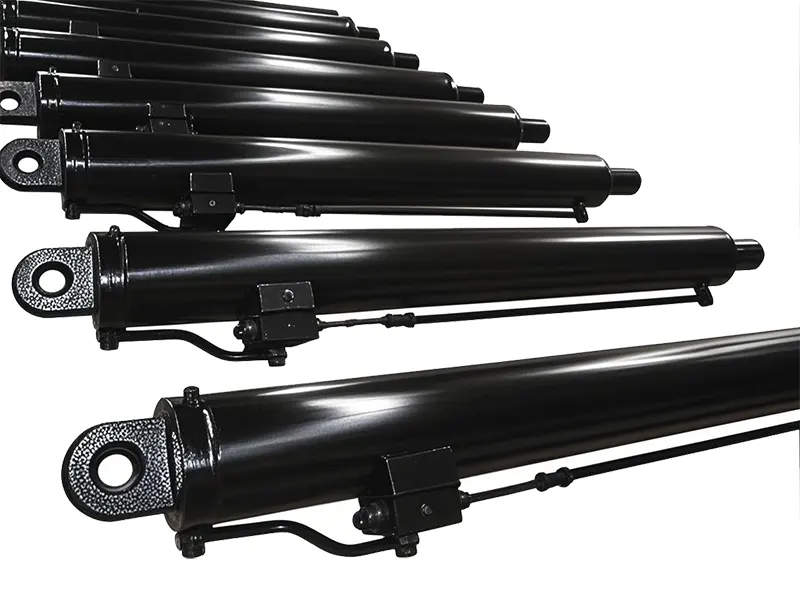
A Hydraulic Top Link Cylinder is a key component in agricultural machinery, particularly tractors, where it forms part of the three-point hitch system. This cylinder is hydraulically controlled, allowing for easy adjustment of the angle and height of attached implements—such as plows or cultivators—relative to the ground, ensuring optimal working conditions.
Our hydraulic top link cylinders for tractors are engineered to deliver precise control over implement positioning, enhancing operational efficiency and ease of use. We offer a comprehensive range of 3-point hitch hydraulic cylinders, available in models from Category 0 to Category 4, to meet the varying requirements of different tractors and farming applications.
Hydraulic Top Link Cylinder Specification
[/su_table]
| Category | Top Link Pin Diameter | Lower Link Pin Diameter | Typical Tractor Horsepower Range |
| Category 0 | 5/8 inch (approx. 16 mm) | 5/8 inch (approx. 16 mm) | Less than 20 HP |
| Category 1 | 3/4 inch (approx. 19 mm) | 7/8 inch (approx. 22 mm) | 20 – 45 HP |
| Category 2 | 1 inch (approx. 25 mm) | 1 1/8 inch (approx. 28 mm) | 40 – 100 HP |
| Category 3 | 1 1/4 inch (approx. 32 mm) | 1 7/16 inch (approx. 36 mm) | 80 – 225 HP |
| Category 4 | 1 3/4 inch (approx. 44 mm) | 2 inch (approx. 51 mm) | 180 – 400+ HP |
Structure of a Hydraulic Top Link Cylinder
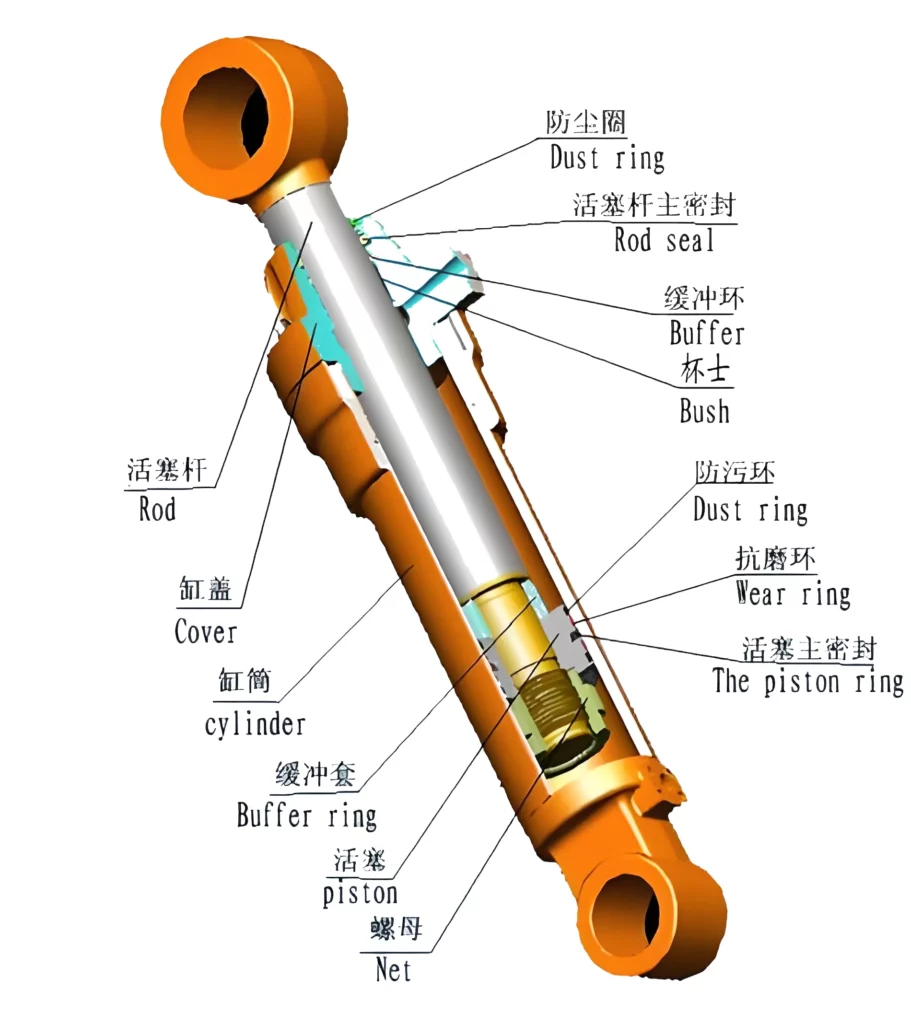
The Hydraulic Top Link Cylinder is composed of several precisely engineered components, each playing a critical role in its performance and durability:
-
Cylinder Barrel: Made from high-strength seamless steel, the barrel houses the piston and hydraulic fluid, designed to endure high internal pressures.
-
Piston: Moves within the barrel to convert hydraulic energy into mechanical force. It is fitted with high-quality seals to maintain pressure and prevent leakage.
-
Piston Rod: Connected to the piston, this chrome-plated rod transfers mechanical motion to external implements. Its surface treatment ensures excellent wear and corrosion resistance.
-
Seals: A system of piston seals, rod seals, and dust seals work together to prevent oil leakage and block contaminants from entering.
-
Cylinder Head: Positioned at both ends of the barrel, it seals the system and houses the hydraulic ports. The front head also supports and guides the piston rod.
-
Hydraulic Ports: Interface points for connecting the cylinder to the tractor’s hydraulic system, allowing controlled oil flow for cylinder operation.
-
Connectors: Typically ball joints or pin-type ends (e.g., 3/4 inch for CAT 1), these ensure secure attachment to the tractor’s three-point hitch system.
-
Guide Ring: Assists in stabilizing the piston and rod movement, minimizing internal wear and enhancing service life.
Common Faults of Hydraulic Top Link Cylinder and Their Solutions
Hydraulic top link cylinders, while highly efficient in enhancing agricultural implement control, are not immune to common operational issues. Frequent faults include oil leakage, weak pressure, slow response, and cylinder jamming. These problems are often rooted in poor sealing quality, contamination of hydraulic oil, improper installation, or neglect of routine maintenance.
One of the most overlooked yet critical issues is the use of low-quality seals or substandard components, often in an attempt to reduce costs. This short-sighted approach leads to premature wear, system inefficiency, and frequent downtime, ultimately costing more in repairs and lost productivity. While many operators focus on external damage, internal contamination—especially from dirty oil or rust particles—can silently degrade performance until failure occurs.
To resolve these issues, it is essential to:
- Regularly inspect and replace seals with high-quality alternatives.
- Use clean, recommended-grade hydraulic oil and replace it at proper intervals.
- Ensure correct installation to avoid misalignment and stress on joints.
- Implement a consistent maintenance schedule.
In conclusion, while hydraulic top link cylinders are reliable when properly maintained, ignoring quality and preventive care can turn them into a source of frequent failure. Manufacturers and users alike should prioritize long-term performance over short-term savings.
Review
| Mark Jensen, Farm Manager | Clara Rodriguez, Equipment Technician | Sophie Edwards, Procurement Officer |
|
“We’ve been using the hydraulic top link cylinders from this supplier for the past season on several of our mid-size tractors. The build quality is solid, and the stroke length adjustment works smoothly. Installation was straightforward with standard CAT 2 connectors. I appreciate that the chrome plating holds up well in muddy field conditions. No leaks or pressure loss so far, which is a good sign of proper sealing.” |
“I installed two of these hydraulic top link cylinders on our utility tractors. The performance has been stable even under daily use. One thing I’d like to highlight is the sealing — it’s clearly better than the generic ones we tried before. The guide ring also seems to reduce wear significantly. While not the cheapest option, it’s worth the cost for long-term reliability. Customer service was responsive when I had questions about fitting.“ |
“We ordered a batch of CAT 1 and CAT 3 hydraulic top link cylinders for resale. Our clients have reported good results — no early failures or structural defects. The quality control seems consistent across different models. One customer did mention a slightly tight connector pin fit, but it was resolved with minimal adjustment. From a sourcing standpoint, the delivery lead time and product documentation were both acceptable. We plan to restock soon.” |